Sustainability is here to stay, and as the construction industry continues to grow, so does the demand for sustainable and environmentally responsible construction practices. Whether you’re working on a residential or commercial project, there are many ways you can deliver eco-conscious results while still maintaining excellent standards of quality and efficiency. We’ve put together our top tips and standout solutions to promote sustainability in your work.
Why Choose Sustainable Construction?
As the construction industry evolves, sustainability is at the forefront of most projects we see. But what does it mean? Sustainability in construction means using resources to meet the needs of your project without negatively impacting the ability of usage in the future. Taking steps to minimise the environmental impact of your work also has many short-term benefits, such as reduced energy consumption, long-term cost savings, and enhanced durability.
Our Recommendations:
Use Recycled and Sustainable Materials
Where possible, choose materials with a lower environmental impact, such as reclaimed wood, recycled steel, and bamboo. These materials reduce the need for new resources while offering the same durability and aesthetic appeal. Consider materials that are both recycled and recyclable where possible.
Implement EcoGrid for Ground Reinforcement
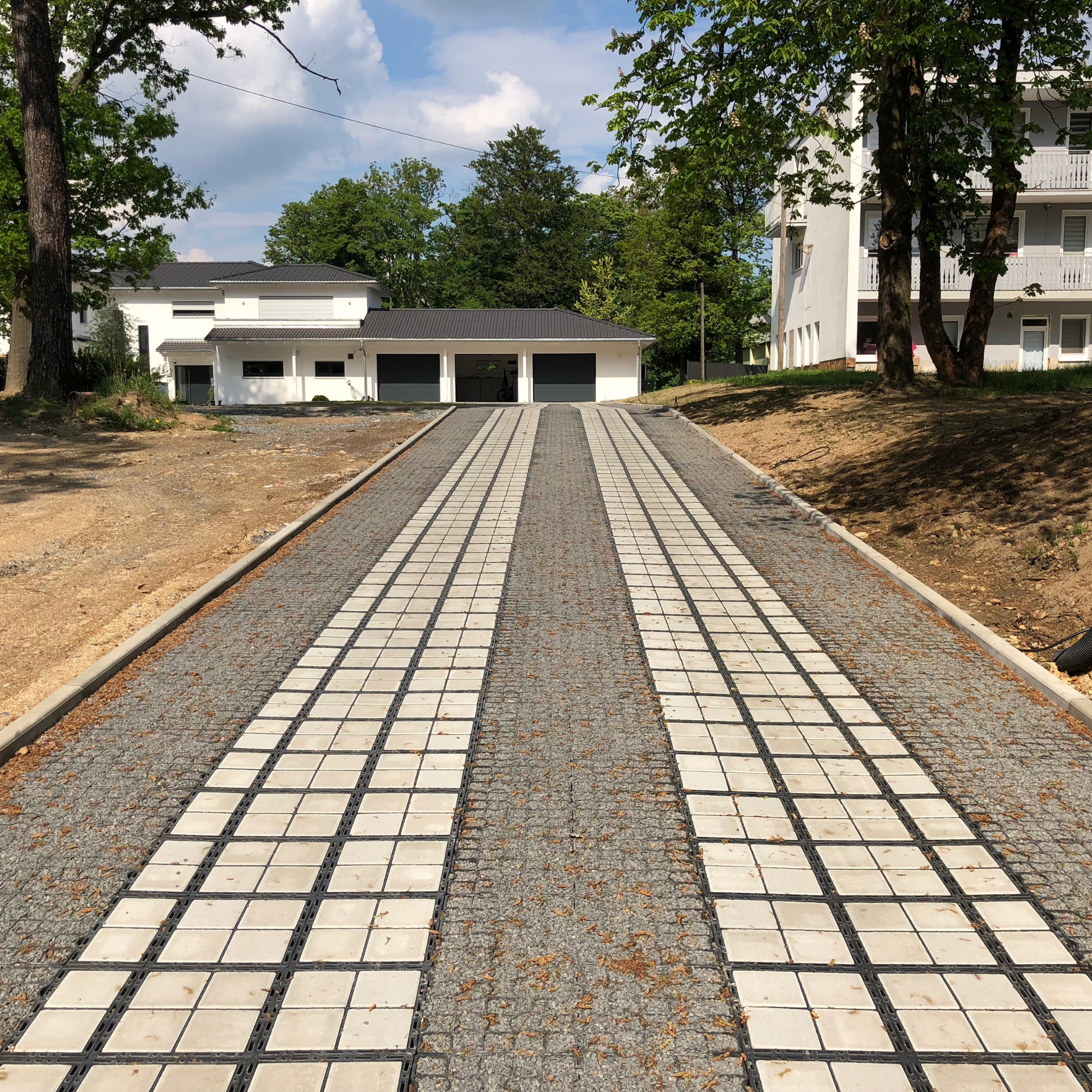
EcoGrid is a permeable, sustainable grid flooring solution made from 100% recycled plastic, offering superior ground reinforcement. Unlike traditional concrete or tarmac, EcoGrid allows rainwater to filter through, preventing waterlogging and promoting natural drainage. It’s perfect for driveways, car parks, and pathways.
Improve Energy Efficiency
Proper insulation and high-performance windows can significantly reduce energy consumption in properties. Incorporating energy-efficient designs, such as solar panels, LED lighting, and smart home technologies, are a great way to improve the energy efficiency of the project.
Limit Waste and Recycle
Construction waste is a huge contributor to landfills, but thorough planning can help reduce the need to over-order excess materials. Recycle as much as possible, including concrete, metal, and wood scraps, and donate any unused materials to minimise waste on site.
Use Non-Toxic and Low-VOC Materials
Traditional paints, adhesives, and finishes release volatile organic compounds (VOCs) that harm indoor air quality. Opt for non-toxic, low-VOC alternatives to ensure a healthier living environment.
Incorporate Sustainable Landscaping
Green roofs and living walls are not just a rising trend; they can massively improve insulation and air quality of the area. Choosing plants that are more resilient and require less water and using permeable surfaces like EcoGrid make the space easier to care for and help to conserve water resources.
Conclusion
Sustainability is no longer just a trend; it’s a necessity, and sustainable construction is fast becoming the future of the industry. By incorporating eco-friendly materials, energy-efficient designs, and eco-friendly solutions, you can create durable and sustainable projects without compromising on quality. Eco-friendly and sustainable practices deliver long-term benefits for all stake-holders so next time you’re planning a project, make the right choices and embrace the eco advantages! Learn more about sustainable construction here.
Read More Blogs
Visit ECOGRID
Contact Us