
Digital & Marketing Manager
When winter comes around, it brings more than just icy winds and frosty mornings. For construction projects, cold weather poses serious challenges, especially when it comes to ground reinforcement. Frozen soils, and moisture issues can impact the foundations of structures, creating costly problems if not addressed properly. Whether you’re reinforcing ground for foundations, roadways, or any other infrastructure, learning how cold weather affects soil behaviour and reinforcement materials is vital. In this month’s blog, we’re jumping into some considerations to ensure your project stays strong, even in the coldest conditions.
Frost heave is one of the most significant issues facing groundwork in cold temperatures. As the ground freezes, water held in the soil expands and causes the soil to lift. This may result in an uneven surface and can disrupt the stability of structures on or in it. As the temperature rises again and the soil thaws, the ground may settle unevenly, which can then lead to long-term structural problems.
To manage frost heave, consider these frost protection measures:
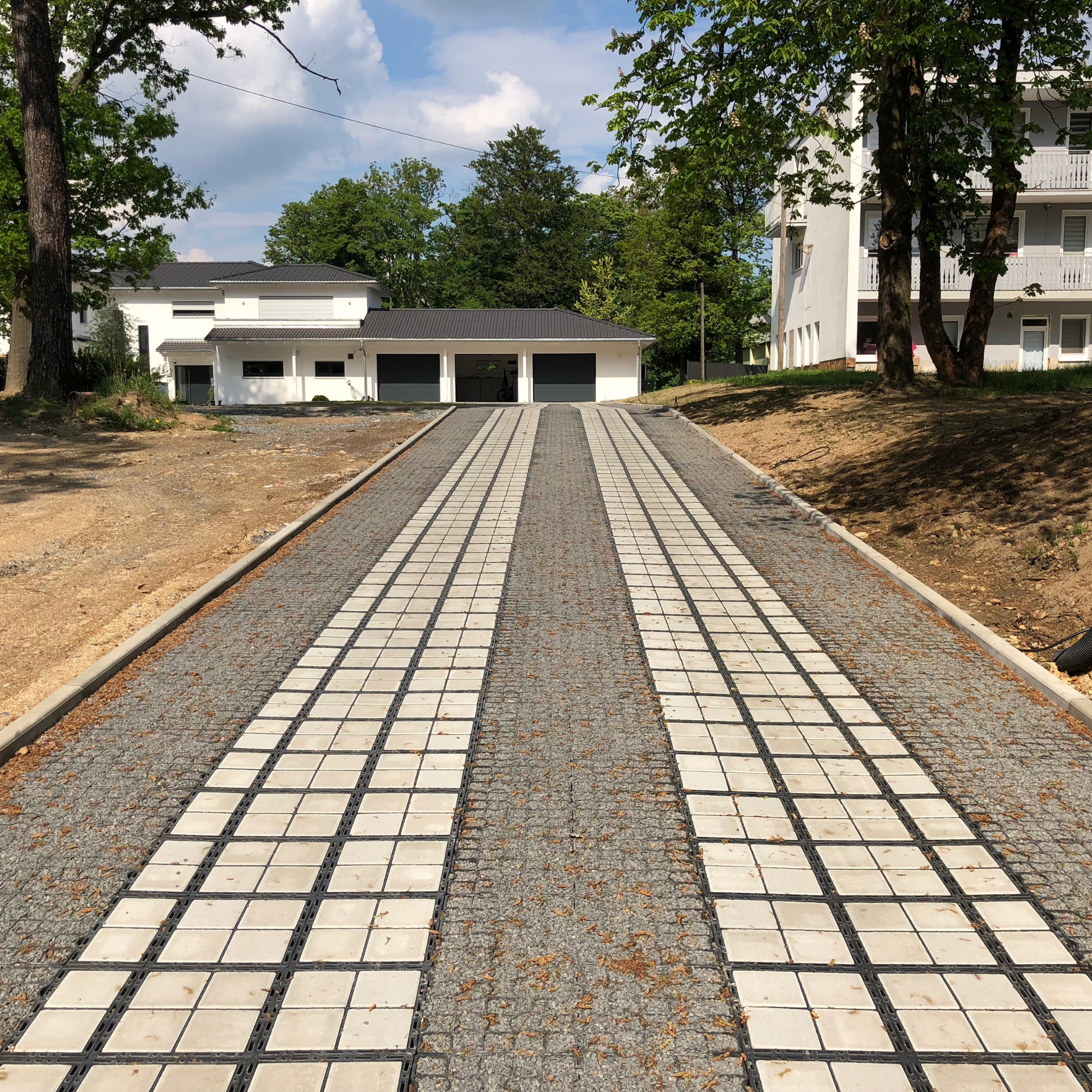
You can also manage the impact of the colder temperatures using EcoGrid. The patented interlocking system stabilises the soil, allowing for better drainage therefore reducing the possibility of frost heave. By maintaining a more even surface through the freeze-thaw cycle, EcoGrid offers added durability and minimises the impact of soil movement, even in extreme temperatures.
Different types of soils have a different response to cold conditions. Fine-grained soils like silts and clays hold more moisture, making them more susceptible to frost heave, while sandy and gravely soils have better drainage properties, reducing the amount of water available to freeze.
In cold weather, it’s important to consider the moisture content of the soil and the soil type at the site:
We have already established that reinforcing the ground in cold temperatures poses challenges. To manage this, it’s important to choose materials that can withstand cold conditions without compromising their structural integrity. Some considerations include:
Concrete and grout: Concrete can be vulnerable to cracking in cold weather if not properly handled. Using mixes with antifreeze can speed up the curing process and prevent freezing before it sets.
Geosynthetics: Materials like geotextiles, and geomembranes are often used for ground reinforcement.
Steel reinforcements: When using steel, make sure it’s treated to resist frost damage and prevent corrosion from de-icing salts or moisture buildup.
Water management is a great way to manage moisture being trapped in soils. Some options to consider:
Materials and techniques that work well in the summer may not have the same durability in colder temperatures. Managing long-term stability means using materials tested for more extreme temperatures. Regular maintenance, including checking for cracks or settling post-winter, is important for identifying potential issues early.
Proactive maintenance plans include:
Cold weather brings with it a range of challenges for ground reinforcement. Early interventions and the right planning, materials, and techniques mean these challenges can be easily managed. From preventing frost heave to managing moisture levels, understanding the effects of winter conditions on soil and reinforcement materials is essential to ensuring your project stands strong all year long. By taking these points into consideration, you will be able to minimise risks and maximise the durability of your reinforcement solutions.