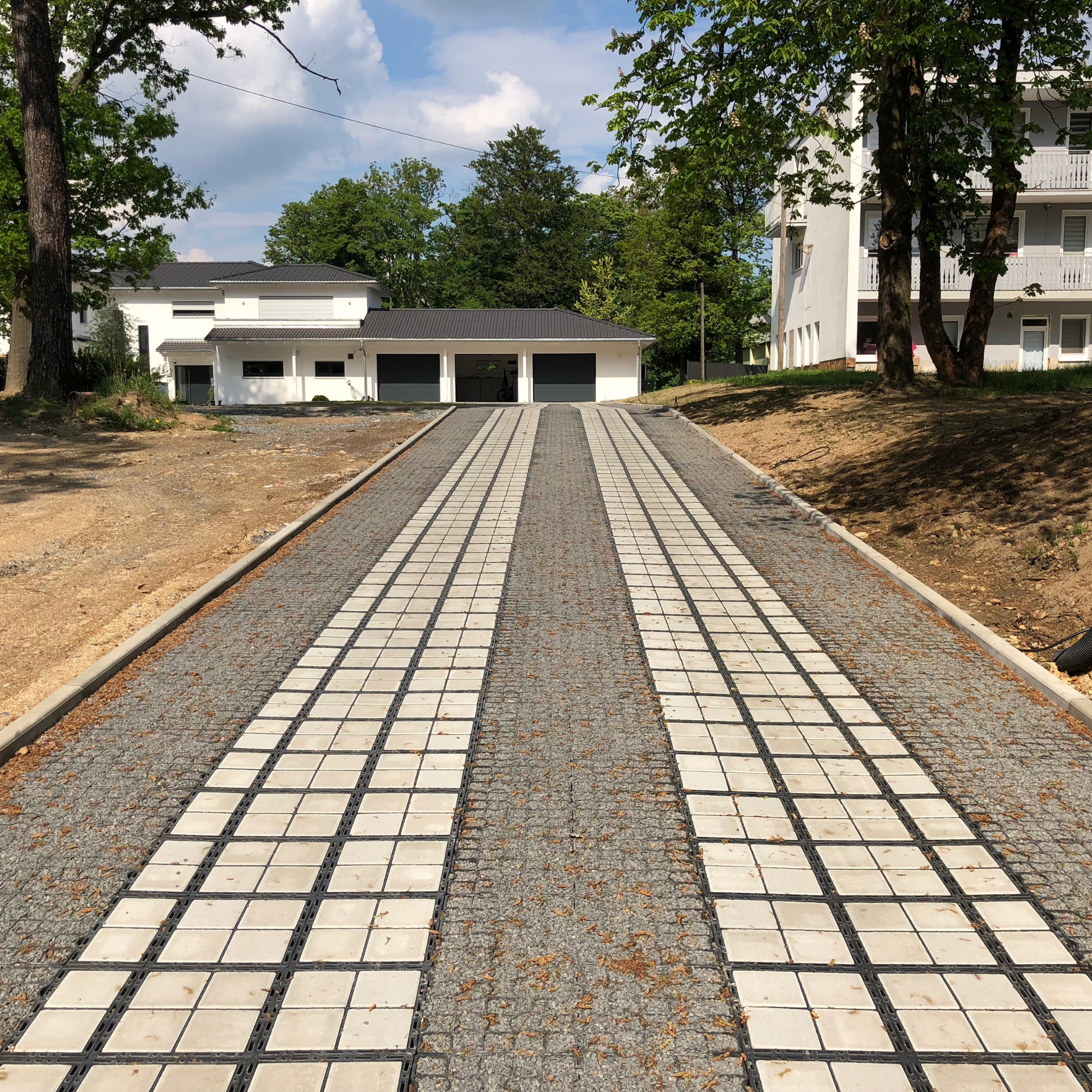
Planning a construction or groundswork project can be an overwhelming task but by breaking it down into smaller manageable steps the process can be easier and less stressful. Whether it’s a small remodel or a big renovation, we’ve put together some simple tips to help you stay on time and on budget, avoiding unexpected surprises!
1. Start with a Clear Vision
What do you want to acheieve? What is the goal? What is your inspiration for the project? Make a clear plan, consider which materials you need, the timescales, the team and any overall targets. If you want to be more eco-friendly, consider EcoGrid for ground reinforcement, it’s both recycled and recyclable making it the perfect way to create a sustainable, eco-concious choice.
2. Set a Realistic Budget
Budgeting is the base of all projects. Make sure you account for materials, permits and labour but also consider any eventualities, keeping room for unexpected extras. A properly planned budget, keeps the process smooth and has less room for surprises!
3. Hire the Right People
Choosing a reliable team is key. Do your research when it comes to bringing in contractors, architects, and suppliers. Look for recommendations and check out their previous work. With the right team, decisions are made quickly, everyone works in cohesion and the project runs much more smoothly.
4. Get Permits Early
Permits and regulations can create huge barriers once the work starts. Applying for them within good time will keep the project moving without delays. Always double-check your local requirements and manage the applications before the work starts; then you can focus on building without interruptions.
5. Choose Sustainable Solutions
Sustainability doesn’t need to be complicated. EcoGrid is quick and simple to install, it is long-lasting, and environmentally friendly, making it a great choice for projects that require ground reinforcement.
6. Create a Schedule and Monitor Progress
Stay organised, evaluate as you go and keep on top of timescales. Work with the team to create a timeline and check in regularly to ensure that important timescales are met. This means any potential delays are caught early and will keep the project moving.
7. Stay Flexible
Even the best plans can encounter problems. Be adaptable to change and make adjustments as needed, the right team will be skilled enough to help find solutions. Flexibility ensures that small bumps don’t turn into big problems.
By following these simple steps, project planning will be as smooth as possible. From smart planning and permits to sustainable choices, proper research and preparation will make a big impact on achieving a smooth and successful build.
View More Blogs
Contact Us
View EcoGrid Products