
When I used to think about old gravel driveways, I imagined potholes, ruts and mud. Parking on grass was no better and usually meant turning a lawn into a muddy mess. Today, there is a simple green solution that changes all of that.
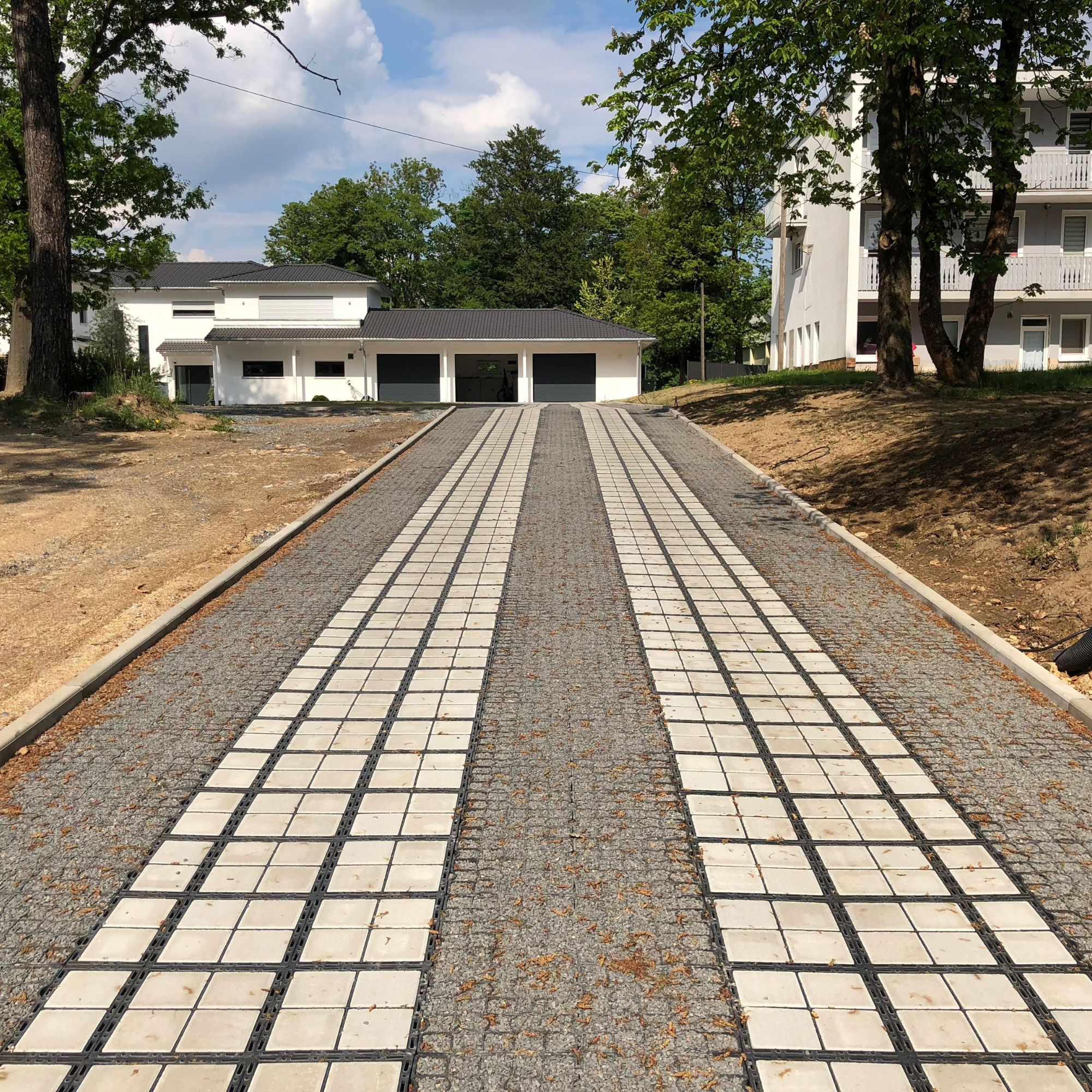
Before Ecogrid existed, parking on grass or gravel almost always led to damage. Now, it is possible to create green driveways and parking areas that look good and perform properly. Ecogrid supports the weight of vehicles while allowing water to drain naturally into the ground. The result is a stable surface with no ruts, no standing water and virtually no mud. It works just as well with gravel and has been used successfully for driveways, parking areas and even horse paddocks.
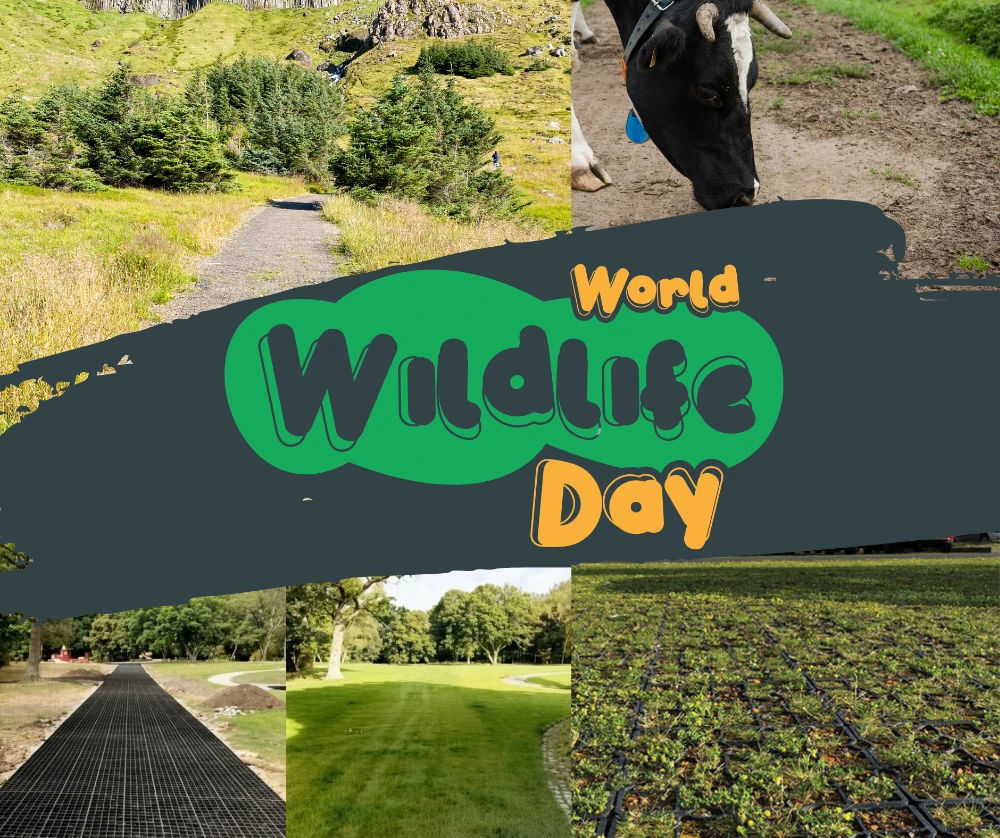
Imagine replacing large black parking areas with green spaces where you can actually park on grass. Ecogrid makes this possible. Grass grows through the grid while the structure spreads vehicle loads evenly, preventing damage to the surface and allowing rainwater to soak away naturally.
Many modern products now help reduce environmental impact, and permeable paving systems like Ecogrid are a great example. Traditional asphalt and concrete surfaces crack, heave and send surface water straight into drains. Permeable paving offers a long lasting, environmentally responsible alternative that works with nature rather than against it.
I work closely with architects and homeowners across the UK to design green driveways and parking areas using grass or gravel. Thousands of driveways have now been installed using Ecogrid, often planted with grass, sedum or low growing plants such as thyme.
Ecogrid is manufactured from 100 percent recycled plastic and is environmentally neutral. It will outlast asphalt, will not crack, and rarely requires repair even after decades of use. The material is UV resistant, frost resistant and does not leach into soil.
Permeable paving allows rainwater to drain into the ground rather than running into drains that lead to streams and waterways. As water filters naturally through the soil, pollutants are reduced, and the risk is lowered.
By allowing water to drain freely into the sub base, Ecogrid prevents mud formation. Traditional gravel driveways often develop potholes and wet patches, but the grid stabilises the surface and keeps it dry.
Grid systems may cost slightly more than asphalt initially, but they are far more economical over time. They prevent gravel migration, stop washouts and reduce maintenance. Across Europe, grid systems commonly last 20 to 30 years with minimal upkeep.
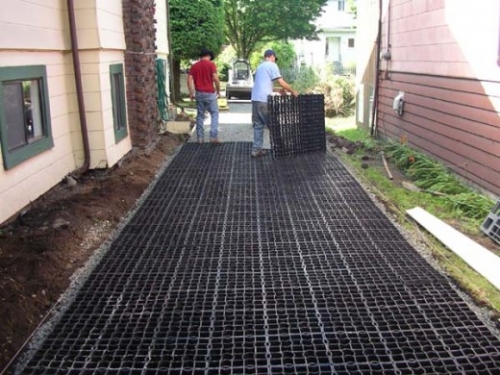
Ecogrid is easy to install and ideal for creating additional parking areas without sacrificing green space. It can be used for cars, bikes or trailers and installed in as little as a day. Instead of concrete or tarmac, you gain a practical area that stays green.
There are two common surface finishes with Ecogrid: grass or gravel. This section focuses on grass, which is what I have personally used around my father’s house. The garden suffered from poor drainage and regular mud, so we wanted to keep the grass while improving usability.
Ecogrid has been used throughout Europe for over 20 years and is engineered to support heavy loads including cars, motorhomes and emergency vehicles. The concept is simple but highly effective. Recycled plastic grids, typically between 30mm and 50mm deep, spread vehicle loads in the same way a snowshoe spreads weight over snow.
For our installation, we used the 40mm grid, which is well suited to residential driveways. Despite its relatively shallow depth, it provides excellent strength and stability. The grid does not shift, crack or split, even under repeated vehicle use.
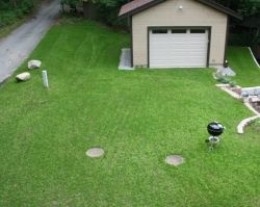
Grass is either seeded or laid directly into the grid. The roots are protected by the structure, while rainwater drains gradually into the soil below. Once established, the grid becomes invisible and the surface looks like a normal lawn.
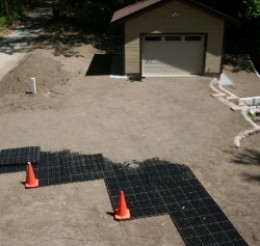
To prepare the area, we removed the existing grass and improved the soil by mixing in a generous amount of sand to improve drainage. The sub base only needed to be around four inches deep. After levelling, we seeded the area and waited for the grass to grow.
The only downside is that it still needs cutting.